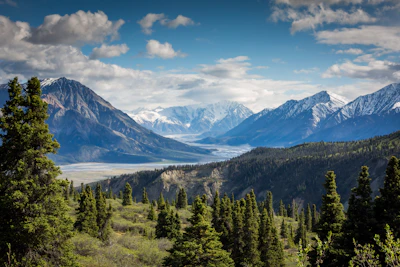
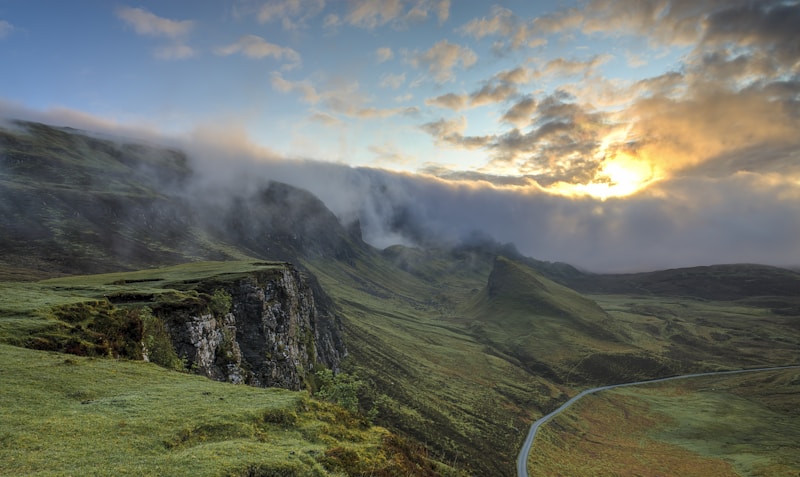
Kashmir sits where the Himalaya meets the Central Asian flyway, which gives it a mix of high-altitude mammals and enormous seasonal bird traffic. Much of it is accessible on day trips from Srinagar, which is unusual for wildlife of this quality.
The hangul
The Kashmir stag, or hangul, is the valley's flagship species and one of the most endangered deer in the world, with a population confined largely to Dachigam National Park just outside Srinagar. Numbers are low and sightings are never guaranteed. Autumn, during the rut, gives the best odds, as does early morning in the lower park. Access to upper Dachigam is restricted and requires permission.
Dachigam beyond the deer
The park also holds Himalayan black bear, leopard, musk deer and the occasional brown bear at higher elevations. Black bears descend towards the orchards in autumn as fruit ripens, which is when human encounters are most likely — keep distance, do not block a bear's line of retreat, and follow your guide without argument.
Birds and the wetlands
The wetlands are the real spectacle. Hokersar, north-west of Srinagar, fills each winter with migratory waterfowl arriving from Central Asia and Siberia — greylag geese, various pochards, teal, mallard and waders in large numbers. November to March is the season, with the peak usually in midwinter. Hygam and Shallabugh offer similar birding with fewer visitors.
Higher up
Above the treeline you are into marmot, ibex and, for the exceptionally patient and lucky, snow leopard territory. Realistically, snow leopard sightings in Kashmir are rare and not something to plan a trip around. Overa-Aru and the meadows near Gulmarg give a better chance of Himalayan monal, koklass pheasant and golden eagle.
Photographing responsibly
Bring the longest lens you own; ethical distances here are large and the animals are genuinely wary. Do not bait, do not use playback to draw birds during breeding season, and do not press a guide to get closer than they are comfortable with. Dawn and the last hour of light are both the best light and the most active periods.
Planning a visit
Dachigam requires an entry permit from the Wildlife Department, usually straightforward to arrange in Srinagar a day ahead. Wetland birding needs no permit but does need an early start. A local guide is worth the cost — they know which pool is holding birds this week, which no map can tell you.